Interview Insights: Cybersecurity Trends from Industry Experts
In the evolving landscape of cybersecurity, IT security professionals and ERP system administrators face numerous challenges, especially when migrating legacy ERP systems to the cloud. In this article, we delve into insights gathered from industry experts on the latest trends and effective strategies in cybersecurity, offering practical knowledge for enhancing security layers in cloud-based ERP systems.
The Current State of Cybersecurity
According to a recent study by Cybersecurity Ventures, cybercrime is expected to cost the world over $10.5 trillion annually by 2025. This alarming statistic underscores the need for robust cybersecurity measures, particularly in cloud environments where many enterprises are shifting their operations. Experts suggest that understanding these risks is the first step in implementing an effective security strategy.
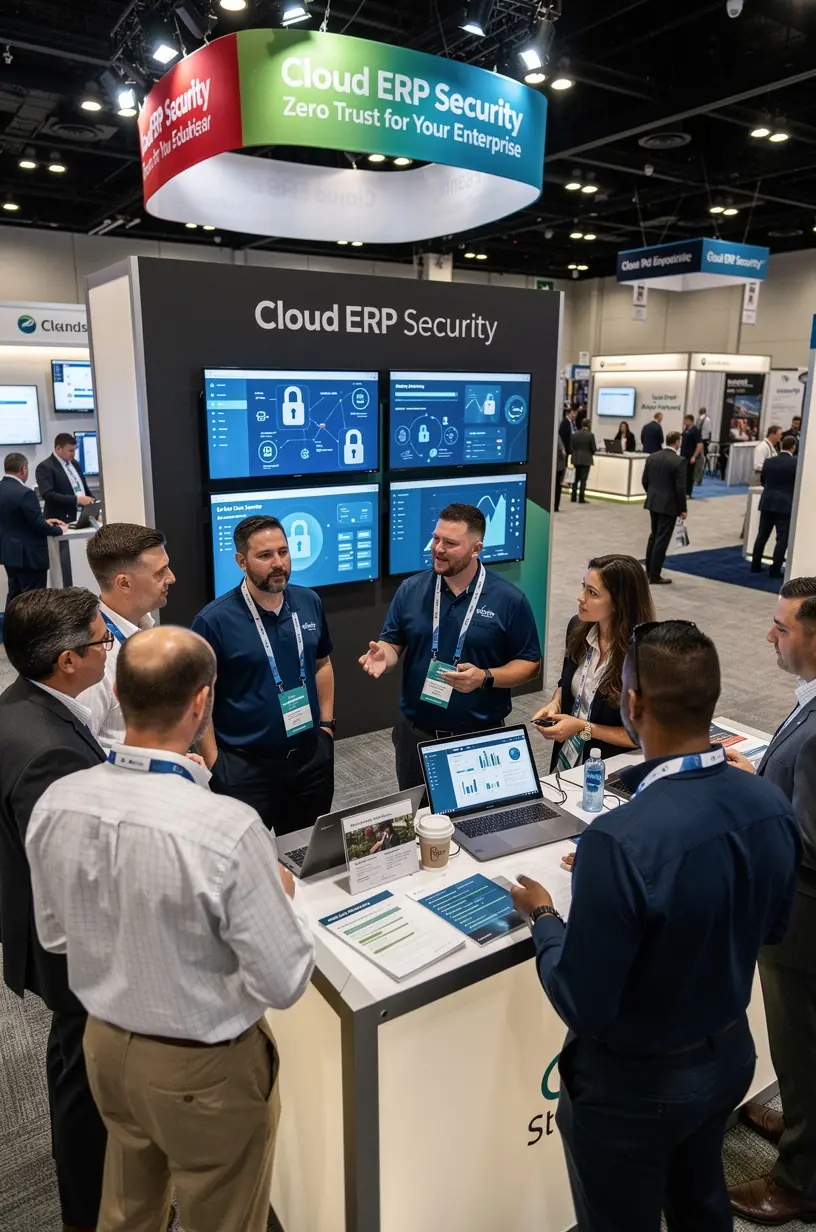
"The best defense against cyber threats is a proactive approach that includes continuous monitoring and regular updates," emphasizes Dr. Jane Thompson, a cybersecurity analyst.
Key Trends Influencing Cybersecurity
Several trends are currently shaping the cybersecurity landscape:
- Increased Use of AI: Many organizations are leveraging artificial intelligence for threat detection and response. Research indicates that AI can reduce incident response times by up to 45% when integrated effectively.
- Zero Trust Architecture: The principle of "never trust, always verify" is gaining traction. Many experts recommend adopting a Zero Trust model, which can be particularly useful in managing access controls in cloud-based ERP systems.
- Supply Chain Vulnerabilities: With the rise in remote work, supply chain attacks have become more common. Addressing these vulnerabilities requires a thorough understanding of third-party risks and implementing stringent security protocols.
Effective Strategies for Cybersecurity
Implementing effective cybersecurity strategies often involves a combination of technology, processes, and training:
- Regular Training and Awareness Programs: Continuous education is vital. Experts recommend conducting training sessions every 6-12 months to keep employees updated on the latest threats and response protocols.
- Comprehensive Risk Assessments: Regular assessments can help identify vulnerabilities in the system. This typically involves analyzing the system architecture, user access levels, and potential external threats.
- Data Encryption: Encrypting sensitive data, both in transit and at rest, can significantly reduce the risk of data breaches. Many organizations report that this practice enhances their overall security posture.
Conclusion
Staying ahead of cybersecurity threats requires a multifaceted approach that involves not only technology but also people and processes. As emphasized by cybersecurity experts, understanding the latest trends and implementing effective strategies are crucial for IT security professionals and ERP system administrators. By adopting a proactive stance and continuously educating staff, organizations can better protect their cloud-based ERP systems and reduce the risk of potential breaches.